
- Capital
- Birnin Kebbi
- Created
- 1991 27 Aug
- Population
- 5.6M 2022 est.
- Land area
- 36,800 km²
- Density
- 151 people / km²
- LGAs
- 21 local governments
- IGR
- ₦17bn 2024
Overview
Kebbi State is in the North-West geopolitical zone of Nigeria, with its capital at Birnin Kebbi. It was created on 27 August 1991 from Sokoto State (southern and western parts), under the Ibrahim Babangida administration. It has an estimated population of 5,563,900 (2022) across 36,800 km², administered through 21 local government areas.
Major towns
- Birnin Kebbi
- Argungu
- Jega
- Yauri
- Zuru
- Gwandu
- Koko
- Bagudo
- Kamba
- Kalgo
Leadership
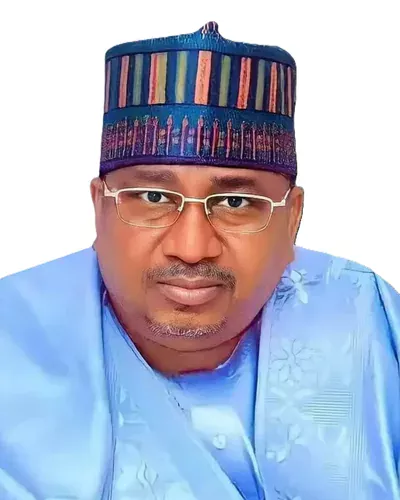
His Excellency Mohammed Nasir Idris
APC In office since 29 May 2023 · 1st term
View profileDeputy Governor
Abubakar Umar Argungu
History
Much of present-day Kebbi State was the heartland of the Kebbi Kingdom, a Hausa-speaking state that rose to prominence in the sixteenth century under Muhammadu Kanta, who built a capital at Birnin Leka and later Surame and resisted the Songhai Empire. In the early nineteenth century the jihad led by Usman dan Fodio brought much of the area under the Gwandu Emirate, the western half of the Sokoto Caliphate administered by Abdullahi dan Fodio. The Kebbi dynasty continued to resist from its base at Argungu, and conflict between Argungu and Sokoto/Gwandu persisted until British conquest in the early twentieth century.
Under colonial rule the area was part of Sokoto Province. After independence it formed part of the Northern Region, then North-Western State (1967) and Sokoto State (1976). Kebbi State was created from the southern and western parts of Sokoto State on 27 August 1991, with Birnin Kebbi as its capital. The state borders the Niger Republic and the Republic of Benin, and is crossed by the Sokoto (Rima) River and the River Niger.
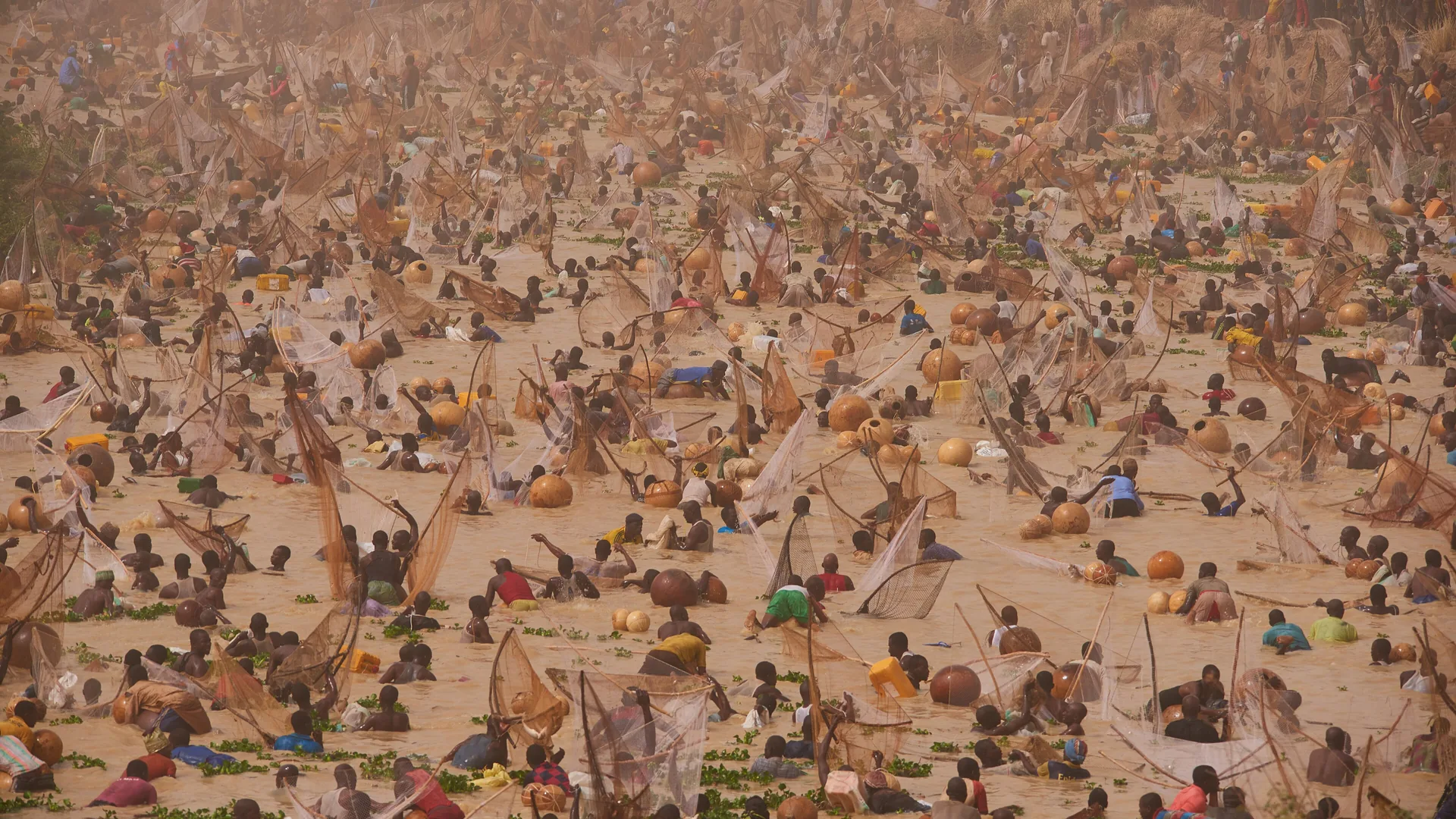
Kebbi is internationally known for the Argungu Fishing Festival, whose origins are often linked to the 1934 visit of the Sultan of Sokoto to Argungu, and which was inscribed on UNESCO's Representative List of the Intangible Cultural Heritage of Humanity in 2016.
People & Culture
Ethnic groups
- Hausa
- Fulani
- Zarma
- Dendi
- Lelna (Dakarkari)
- Kambari
- Dukawa
- Gungawa
- Kamuku
- Bussawa
Languages
- Hausa
- Fulfulde
- Zarma
- Dendi
- Lela (Dakarkari)
- Kambari
- Busa
- English
Traditional institutions
- Gwandu Emirate
- Argungu (Kebbi) Emirate
- Yauri Emirate
- Zuru Emirate
- Kebbi State Council of Chiefs
Economy & Natural Resources
Agriculture, fishing and livestock form the backbone of Kebbi's economy. The fertile floodplains of the Sokoto-Rima and Niger rivers make the state one of Nigeria's leading rice producers, and it also grows millet, sorghum, maize, cowpea, groundnut, onions and vegetables. Rice processing has expanded with commercial mills, and the state was a focal point of federal rice-promotion programmes from the mid-2010s. Fishing on the rivers and lakes, and cross-border trade with the Niger Republic and Benin, are also important.
Gold deposits have been identified in parts of the state, especially in the Zuru area, though mining remains largely artisanal. According to the National Bureau of Statistics, Kebbi recorded internally generated revenue of about N17.0 billion in 2024, up from about N11.7 billion in 2023.
Key sectors
- Agriculture
- Rice production and milling
- Fishing
- Livestock
- Cross-border trade
- Tourism
Agricultural produce
- Rice
- Millet
- Sorghum
- Maize
- Cowpea
- Groundnut
- Onions
- Wheat
- Sugarcane
- Vegetables
- Fish
- Livestock
Solid minerals
- Gold
Raw materials
- Paddy rice
- Fish
- Hides and skins
- Onions
- Grains
Internally generated revenue: ₦17bn (2024) · Source: National Bureau of Statistics (NBS), 2024 IGR report (published October 2025)
Investment Opportunities
Rice value chain
Paddy aggregation, milling and packaging, building on the state's position as a leading rice producer.
Fisheries and aquaculture
Commercial fish farming and processing on the Niger and Sokoto-Rima river systems.
Tourism
Hospitality services around the Argungu International Fishing and Cultural Festival, a UNESCO-listed event.
Solid minerals
Formalised exploration and mining of gold deposits in the Zuru area.
Interested in Kebbi?
Submit your proposal and the Secretariat will connect you with the state's investment agency.
Tourism & Heritage
Argungu International Fishing and Cultural Festival
Annual fishing festival on the Matan Fada river at Argungu, inscribed by UNESCO in 2016.
Kanta Museum, Argungu
Museum in Argungu named after Muhammadu Kanta, founder of the Kebbi kingdom, housed in a historic palace building of the Kebbi emirs.
Gwandu
Historic seat of the Gwandu Emirate, the western division of the Sokoto Caliphate.
Yauri and the River Niger
Riverside emirate town on the Niger near the northern reaches of Kainji Lake.
Zuru
Hilly southern emirate known for its diverse cultures and the Uhola festival of the Dakarkari people.
Gallery
Local Government Areas
21 local government areas
- Aleiro
- Arewa Dandi
- Argungu
- Augie
- Bagudo
- Birnin Kebbi
- Bunza
- Dandi
- Fakai
- Gwandu
- Jega
- Kalgo
- Koko/Besse
- Maiyama
- Ngaski
- Sakaba
- Shanga
- Suru
- Wasagu/Danko
- Yauri
- Zuru