
- Capital
- Dutse
- Created
- 1991 27 Aug
- Population
- 7.5M 2022 est.
- Land area
- 23,154 km²
- Density
- 324 people / km²
- LGAs
- 27 local governments
- IGR
- ₦59.5bn 2024
Overview
Jigawa State is in the North-West geopolitical zone of Nigeria, with its capital at Dutse. It was created on 27 August 1991 from Kano State (northern and eastern parts), under the Ibrahim Babangida administration. It has an estimated population of 7,499,100 (2022) across 23,154 km², administered through 27 local government areas.
Major towns
- Dutse
- Hadejia
- Gumel
- Kazaure
- Ringim
- Birnin Kudu
- Kafin Hausa
- Maigatari
- Babura
- Gwaram
Leadership
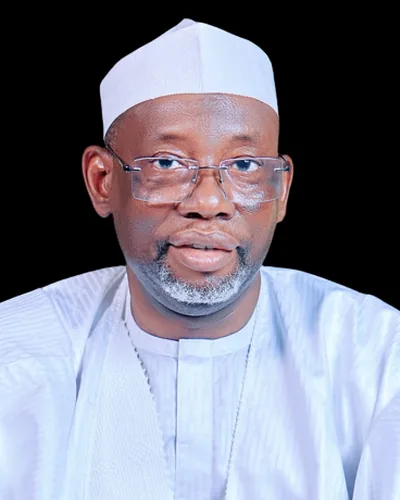
His Excellency Umar Namadi
APC In office since 29 May 2023 · 1st term
View profileDeputy Governor
Aminu Usman
History
The territory of present-day Jigawa State was historically divided among several Hausa and Kanuri-influenced polities. Hadejia, Gumel, Kazaure, Dutse and Ringim emerged as emirates following the early nineteenth-century jihad of Usman dan Fodio, and the area also lay on the western margins of the Kanem-Bornu sphere of influence, which accounts for its significant Kanuri population around Hadejia. The rock paintings at Birnin Kudu point to much older human settlement in the area.
Under British colonial rule the emirates were administered within Kano Province, and after independence the area formed part of the Northern Region and, from 1967, of Kano State. Jigawa State was carved out of the northern and eastern parts of Kano State on 27 August 1991 by the military government of General Ibrahim Babangida, with Dutse chosen as the new state capital.
Since its creation the state has invested heavily in building administrative infrastructure in Dutse, which grew from a modest emirate town into a planned capital with a state secretariat, a federal university (Federal University Dutse, established 2011) and Dutse International Airport.
People & Culture
Ethnic groups
- Hausa
- Fulani
- Kanuri
- Manga
- Badawa
- Warjawa
Languages
- Hausa
- Fulfulde
- Kanuri
- Manga
- Bade
- Warji
- Duwai
- English
Traditional institutions
- Dutse Emirate
- Hadejia Emirate
- Gumel Emirate
- Kazaure Emirate
- Ringim Emirate
- Jigawa State Council of Chiefs
Economy & Natural Resources
Jigawa's economy is dominated by agriculture and livestock. Most of the population is engaged in farming, much of it smallholder and rain-fed, though irrigated farming along the Hadejia river system and its fadama (floodplain) lands supports dry-season production of rice, wheat, vegetables and other crops. The Hadejia-Nguru wetlands also support fishing and pastoralism. Trade in agricultural produce and livestock, small-scale manufacturing, leather work and blacksmithing are important informal-sector activities.
The state government has prioritised agricultural mechanisation, irrigation rehabilitation and export-oriented value chains such as sesame, rice and hibiscus. The Maigatari Border Free Zone, on the frontier with the Niger Republic, was set up to attract cross-border trade and processing investment. According to the National Bureau of Statistics, Jigawa recorded internally generated revenue of about N59.5 billion in 2024.
Key sectors
- Agriculture
- Irrigation farming
- Livestock
- Agro-processing
- Cross-border trade
- Public-sector services
Agricultural produce
- Rice
- Millet
- Sorghum
- Groundnut
- Sesame
- Cowpea
- Wheat
- Hibiscus (roselle)
- Vegetables
- Livestock
- Fish
Raw materials
- Hides and skins
- Sesame seed
- Groundnut
- Gum arabic
- Rice paddy
- Hibiscus
Internally generated revenue: ₦59.5bn (2024) · Source: National Bureau of Statistics (NBS), 2024 IGR report (published October 2025)
Investment Opportunities
Agro-processing
Processing and export of sesame, hibiscus, rice and groundnut produced across the state's irrigated and rain-fed farmlands.
Irrigation agriculture
Dry-season farming on fadama lands along the Hadejia river system, including rice and wheat value chains.
Cross-border trade
The Maigatari Border Free Zone on the Niger Republic frontier offers sites for trade-related processing and logistics.
Livestock and leather
Abattoirs, dairy and hides-and-skins processing based on the state's large cattle, sheep and goat population.
Interested in Jigawa?
Submit your proposal and the Secretariat will connect you with the state's investment agency.
Tourism & Heritage
Birnin Kudu rock paintings
Rock art site at Birnin Kudu with ancient paintings, one of the oldest traces of human settlement in the area.
Dutse Emir's Palace
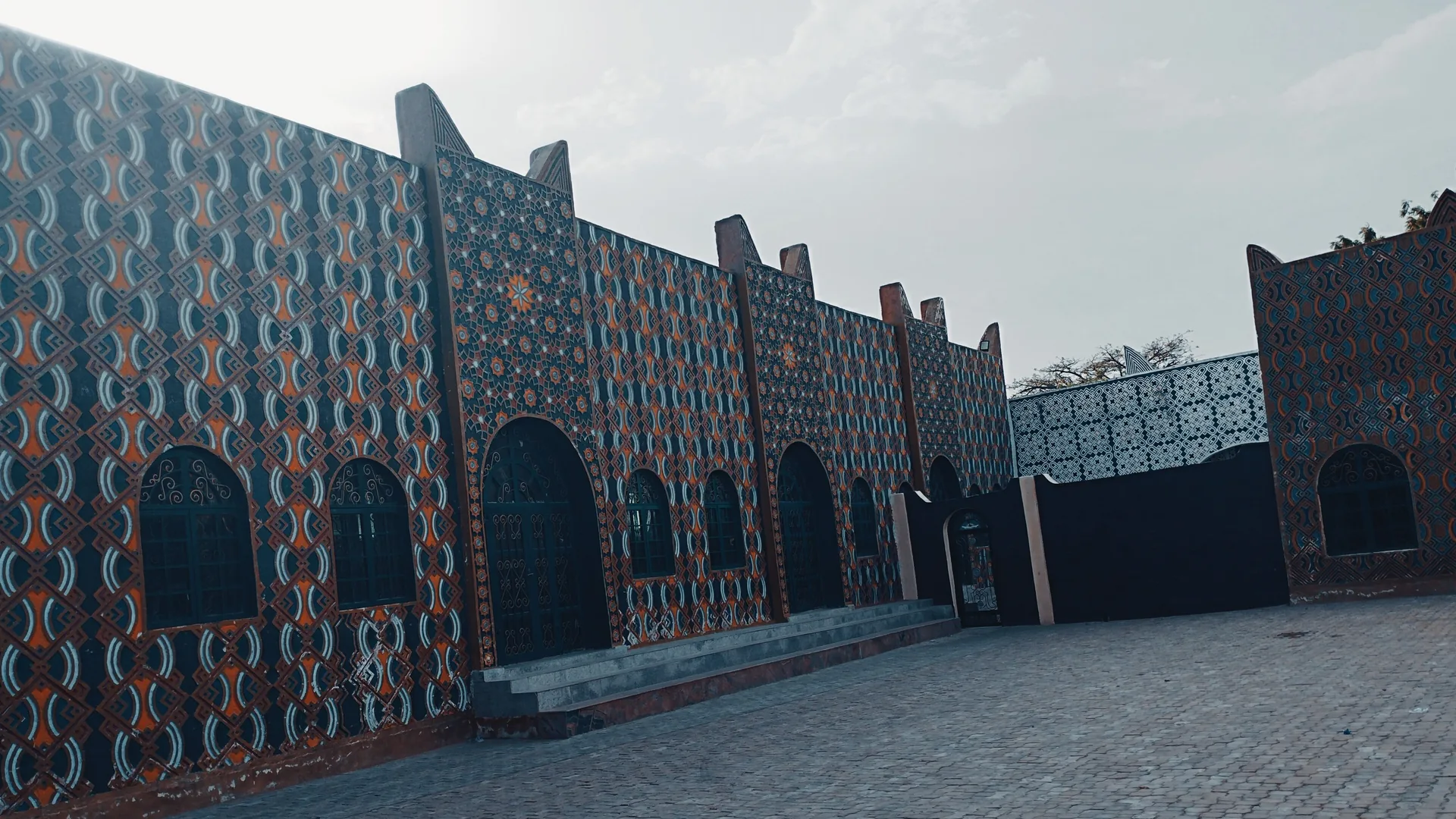
The decorated palace of the Emir of Dutse in the state capital.
Hadejia-Nguru Wetlands
Seasonally flooded wetlands of international importance for migratory waterbirds, partly within Jigawa.
Baturiya Wetlands Game Reserve
Wetland reserve within the Hadejia-Nguru system known for birdlife.
Dutse hills
Granite outcrops surrounding the state capital, from which Dutse ('rock' in Hausa) takes its name.
Gallery
Local Government Areas
27 local government areas
- Auyo
- Babura
- Biriniwa
- Birnin Kudu
- Buji
- Dutse
- Gagarawa
- Garki
- Gumel
- Guri
- Gwaram
- Gwiwa
- Hadejia
- Jahun
- Kafin Hausa
- Kaugama
- Kazaure
- Kiri Kasama
- Kiyawa
- Maigatari
- Malam Madori
- Miga
- Ringim
- Roni
- Sule Tankarkar
- Taura
- Yankwashi