
Nasarawa State
“Home of Solid Minerals”
- Capital
- Lafia
- Created
- 1996 1 Oct
- Population
- 2.9M 2022 est.
- Land area
- 26,256 km²
- Density
- 110 people / km²
- LGAs
- 13 local governments
- IGR
- ₦32.6bn 2025
Overview
Nasarawa State is in the North-Central geopolitical zone of Nigeria, with its capital at Lafia. It was created on 1 October 1996 from Western part of Plateau State, under the Sani Abacha administration. It has an estimated population of 2,886,000 (2022) across 26,256 km², administered through 13 local government areas.
Major towns
- Lafia
- Keffi
- Karu
- Mararaba
- Masaka
- Akwanga
- Nasarawa
- Doma
- Nasarawa Eggon
- Wamba
- Keana
- Obi
- Toto
Leadership
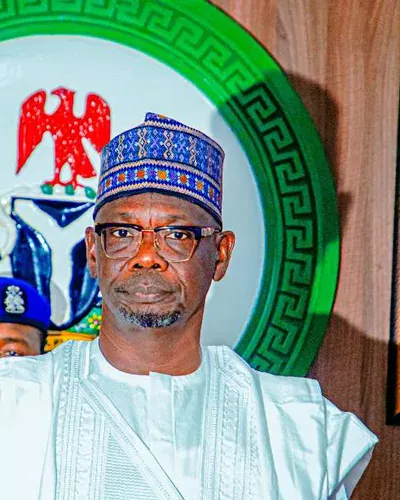
His Excellency Abdullahi Audu Sule
APC In office since 29 May 2019 · 2nd term
View profileDeputy Governor
Emmanuel Akabe
History
The area now forming Nasarawa State was home to numerous small chiefdoms of peoples such as the Alago, Eggon, Mada, Migili and Gwandara. In the 19th century emirates were established at Keffi, Lafia and Nasarawa in the wake of the Fulani jihad, under the overlordship of Zaria and Bauchi within the Sokoto Caliphate. Keana, the cradle of the Alago, is known for its traditional salt production.
British forces occupied the area at the turn of the 20th century and incorporated it into the Protectorate of Northern Nigeria. After independence it formed part of the Northern Region, then Benue-Plateau State (1967) and Plateau State (1976).
Nasarawa State was created on 1 October 1996 by the military government of General Sani Abacha from the western part of Plateau State, and named after the historic Nasarawa Emirate. Its western LGAs, especially Karu, have grown rapidly as suburbs of Abuja.
People & Culture
Ethnic groups
- Alago
- Eggon
- Mada
- Migili (Koro)
- Gwandara
- Rindre
- Afo (Eloyi)
- Tiv
- Hausa
- Fulani
- Gbagyi
- Kanuri
- Goemai
- Bassa
Languages
- Hausa
- Alago
- Eggon
- Mada
- Migili (Koro)
- Gwandara
- Tiv
- Gbagyi
- Afo (Eloyi)
- English
Traditional institutions
- Emir of Lafia
- Emir of Keffi
- Emir of Nasarawa
- Emir of Wamba
- Osana of Keana (Alago)
- Andoma of Doma
- Aren Eggon
- Chun Mada
Economy & Natural Resources
Agriculture remains central, with yam, cassava, maize, sorghum, rice, sesame, soybeans and groundnuts as major crops, alongside livestock rearing. The state's proximity to Abuja has made the Karu-Keffi corridor a fast-growing residential and commercial zone.
Nasarawa is rich in solid minerals including lithium-bearing pegmatites, tantalite, cassiterite, barite, salt, coal, marble and gemstones. Since 2024 Chinese-backed lithium concentrate processing plants have been established in the state, and the government has promoted local beneficiation of minerals before export.
Key sectors
- Agriculture
- Solid minerals (lithium, tantalite, barite)
- Real estate and services (Abuja corridor)
- Trade
- Education
Agricultural produce
- Yam
- Cassava
- Maize
- Sorghum
- Rice
- Sesame
- Soybean
- Groundnut
- Millet
- Livestock
Solid minerals
- Lithium (spodumene/lepidolite)
- Tantalite
- Columbite
- Cassiterite
- Barite
- Salt
- Coal
- Marble/dolomite
- Iron ore
- Galena (lead-zinc)
- Talc
- Mica
- Feldspar
- Clay
Gemstones
- Tourmaline
- Sapphire
Raw materials
- Lithium ore
- Barite
- Tantalite
- Salt
- Sesame seed
- Soybeans
- Yam
Internally generated revenue: ₦32.6bn (2025) · Source: NBS, Internally Generated Revenue at State Level 2025 (figures as reported by Blueprint, 24 Sep 2026; rounded to N0.01bn)
Investment Opportunities
Lithium and battery minerals
Further beneficiation of lithium concentrate and the state's stated ambition to attract battery and electric-vehicle assembly.
Solid minerals processing
Barite (for oil drilling), tantalite, marble and salt deposits suit processing plants.
Agro-processing
Sesame, soybean, rice and cassava processing in the Lafia-Doma agricultural belt.
Housing and urban services
Rapid growth in Karu, Mararaba and Masaka creates demand for housing, transport and utilities serving Abuja commuters.
Interested in Nasarawa?
Submit your proposal and the Secretariat will connect you with the state's investment agency.
Tourism & Heritage
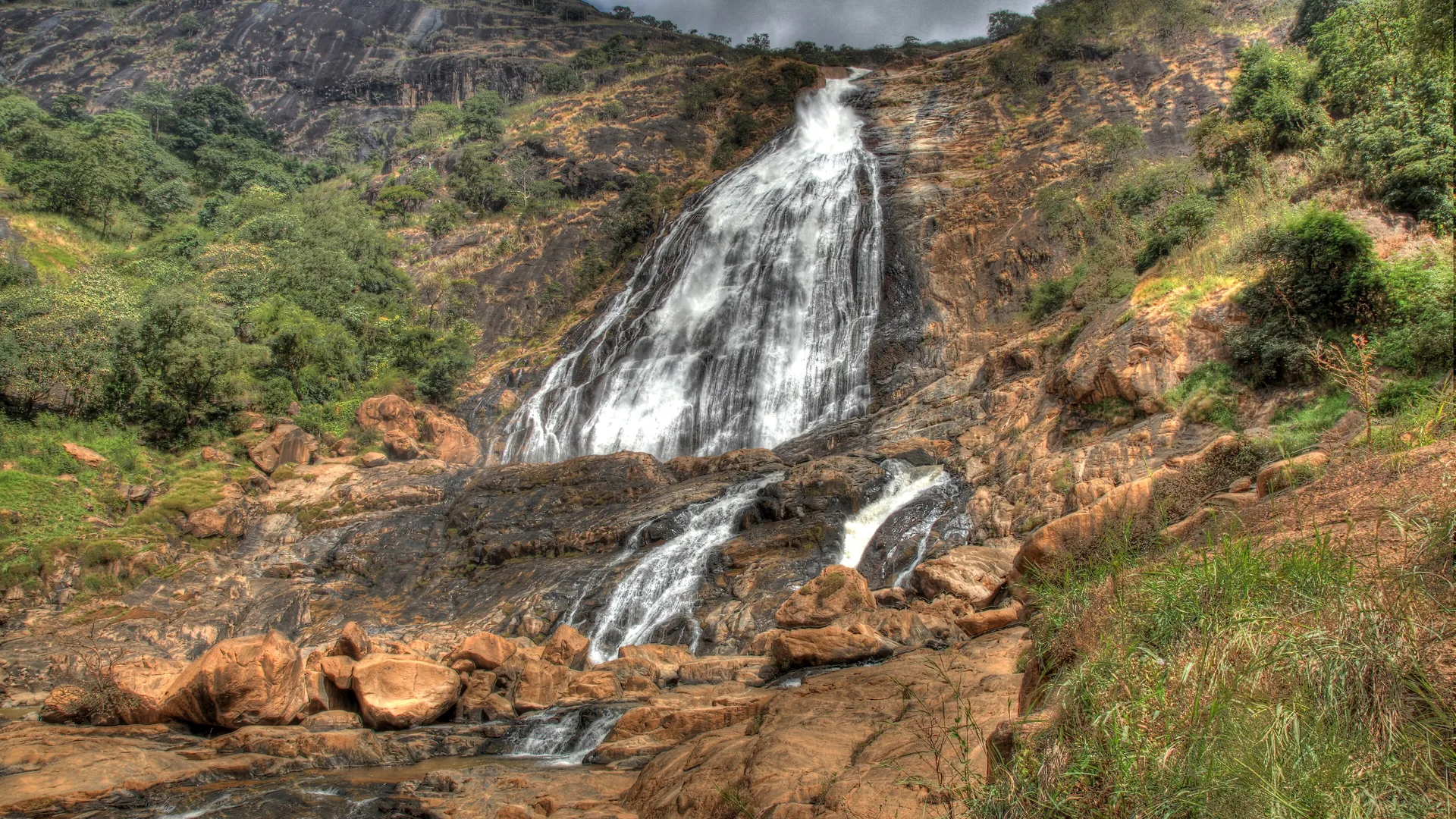
Farin Ruwa Falls
One of Nigeria's highest waterfalls, in Wamba LGA.
Keana salt village
Traditional salt production from brine ponds at Keana, cradle of the Alago people.
Eggon Hills
Ancestral hill settlements of the Eggon people around Nasarawa Eggon.
Maloney Hill, Keffi
A hill in Keffi associated with the colonial era.
Durbar and Hawan Daushe festivities
Emirate horse-riding festivals in Keffi, Lafia and other emirate towns.
Gallery
Local Government Areas
13 local government areas
- Akwanga
- Awe
- Doma
- Karu
- Keana
- Keffi
- Kokona
- Lafia
- Nasarawa
- Nasarawa Egon
- Obi
- Toto
- Wamba