
Kano State
“Centre of Commerce”
- Capital
- Kano
- Created
- 1967 27 May
- Population
- 15.5M 2022 est.
- Land area
- 20,131 km²
- Density
- 768 people / km²
- LGAs
- 44 local governments
- IGR
- ₦74.8bn 2024
Overview
Kano State is in the North-West geopolitical zone of Nigeria, with its capital at Kano. It was created on 27 May 1967 from Northern Region (one of the original 12 states). Jigawa State was carved out of it in 1991. It has an estimated population of 15,462,200 (2022) across 20,131 km², administered through 44 local government areas.
Major towns
- Kano
- Wudil
- Gaya
- Rano
- Bichi
- Karaye
- Dambatta
- Kura
- Gwarzo
- Tudun Wada
Leadership
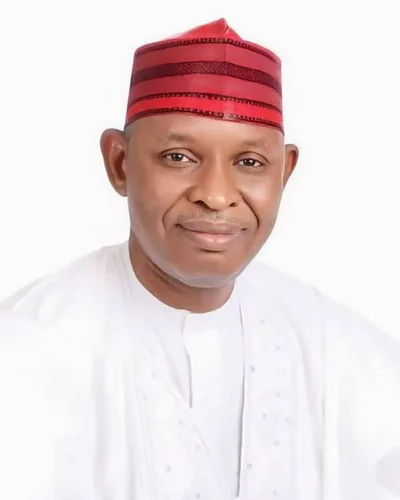
His Excellency Abba Kabir Yusuf
APC In office since 29 May 2023 · 1st term
View profileDeputy Governor
Murtala Sule Garo
History
Kano is one of the oldest cities in West Africa. According to the Kano Chronicle, the settlement grew around Dala Hill, and by the late first millennium it was the seat of the Hausa kingdom of Kano. Under rulers such as Muhammad Rumfa in the fifteenth century the city was enlarged and walled, Islam became firmly established, and Kano developed into a leading terminus of the trans-Saharan trade in textiles, leather, salt and other goods. Its indigo dye pits at Kofar Mata date back several centuries.
Following the jihad of Usman dan Fodio, Kano became an emirate of the Sokoto Caliphate in 1805 and, under Fulani emirs, one of its richest provinces. The British captured the city in 1903 and administered it as the centre of Kano Province within the Protectorate of Northern Nigeria. The groundnut boom of the colonial era, symbolised by the city's groundnut pyramids, made Kano a major export hub linked to Lagos by railway from 1912.
Kano State was created on 27 May 1967 as one of Nigeria's original 12 states, and in 1991 its northern and eastern parts were split off to form Jigawa State. The state has remained the most populous in northern Nigeria and a centre of commerce, Islamic scholarship and political activity. Since 2019 its traditional institutions have been the subject of repeated reorganisation: the Kano Emirate was divided into five emirates in 2019, Emir Muhammadu Sanusi II was deposed in 2020, and in May 2024 the state government repealed the 2019 law and reinstated Sanusi, a decision that has been contested in court.
People & Culture
Ethnic groups
- Hausa
- Fulani
- Kanuri
- Nupe
- Yoruba
- Igbo
Languages
- Hausa
- Fulfulde
- Kanuri
- English
Traditional institutions
- Kano Emirate
- Kano State Council of Chiefs
- Bichi, Gaya, Karaye and Rano emirates (created 2019; abolished by the Kano Emirates Council (Repeal) Law of May 2024, subject to litigation)
Economy & Natural Resources
Kano is the commercial capital of northern Nigeria and one of the largest markets in West Africa. Its markets, notably Kurmi, Kantin Kwari (textiles), Dawanau (grains) and Singer, serve buyers from across Nigeria and neighbouring countries. Manufacturing is concentrated in industrial estates such as Sharada, Challawa and Bompai, with tanneries, textiles, food and beverage processing, plastics and other light industry. Mallam Aminu Kano International Airport and the Dala Inland Dry Port link the state to national and international trade routes.
Agriculture employs a large share of the population, supported by irrigation schemes such as the Kano River Irrigation Project fed by the Tiga and Challawa Gorge dams. Major crops include rice, wheat, maize, sorghum, millet, groundnut, cowpea, sesame and tomatoes, and the state has a large livestock sector supplying hides and skins to its leather industry. According to the National Bureau of Statistics, Kano generated about N74.8 billion in internally generated revenue in 2024.
Key sectors
- Commerce and trade
- Manufacturing
- Leather and tanning
- Textiles
- Agro-processing
- Agriculture
- Logistics
Agricultural produce
- Rice
- Wheat
- Maize
- Sorghum
- Millet
- Groundnut
- Cowpea
- Sesame
- Soybeans
- Tomatoes
- Pepper
- Onions
- Livestock
Solid minerals
- Cassiterite (tin)
- Columbite
- Tantalite
- Lead/zinc
- Copper
- Glass sand
Raw materials
- Hides and skins
- Groundnut
- Sesame
- Cotton
- Gum arabic
- Tomatoes
- Grains
Internally generated revenue: ₦74.8bn (2024) · Source: National Bureau of Statistics (NBS), 2024 IGR report (published October 2025)
Investment Opportunities
Agro-processing
Processing of tomatoes, rice, grains, sesame and groundnut from the state's large irrigated and rain-fed farming base.
Leather and tanning
Expansion of Kano's long-established tanneries and leather-goods manufacturing using local hides and skins.
Logistics and trade
Warehousing, distribution and export services around the Dala Inland Dry Port, the airport and the city's regional markets.
Light manufacturing
Textiles, plastics, food and beverages in the Sharada, Challawa and Bompai industrial estates.
Interested in Kano?
Submit your proposal and the Secretariat will connect you with the state's investment agency.
Tourism & Heritage
Gidan Makama Museum
Fifteenth-century palace building near the Emir's palace, now a museum of Kano history.
Kofar Mata Dye Pits
Centuries-old indigo dye pits still worked by traditional dyers.
Gidan Rumfa (Emir's Palace)
The palace of the Emir of Kano, established by Muhammad Rumfa in the fifteenth century.
Ancient Kano City Walls
Remains of the earthen city walls (Ganuwa) and gates of old Kano.
Kano Durbar
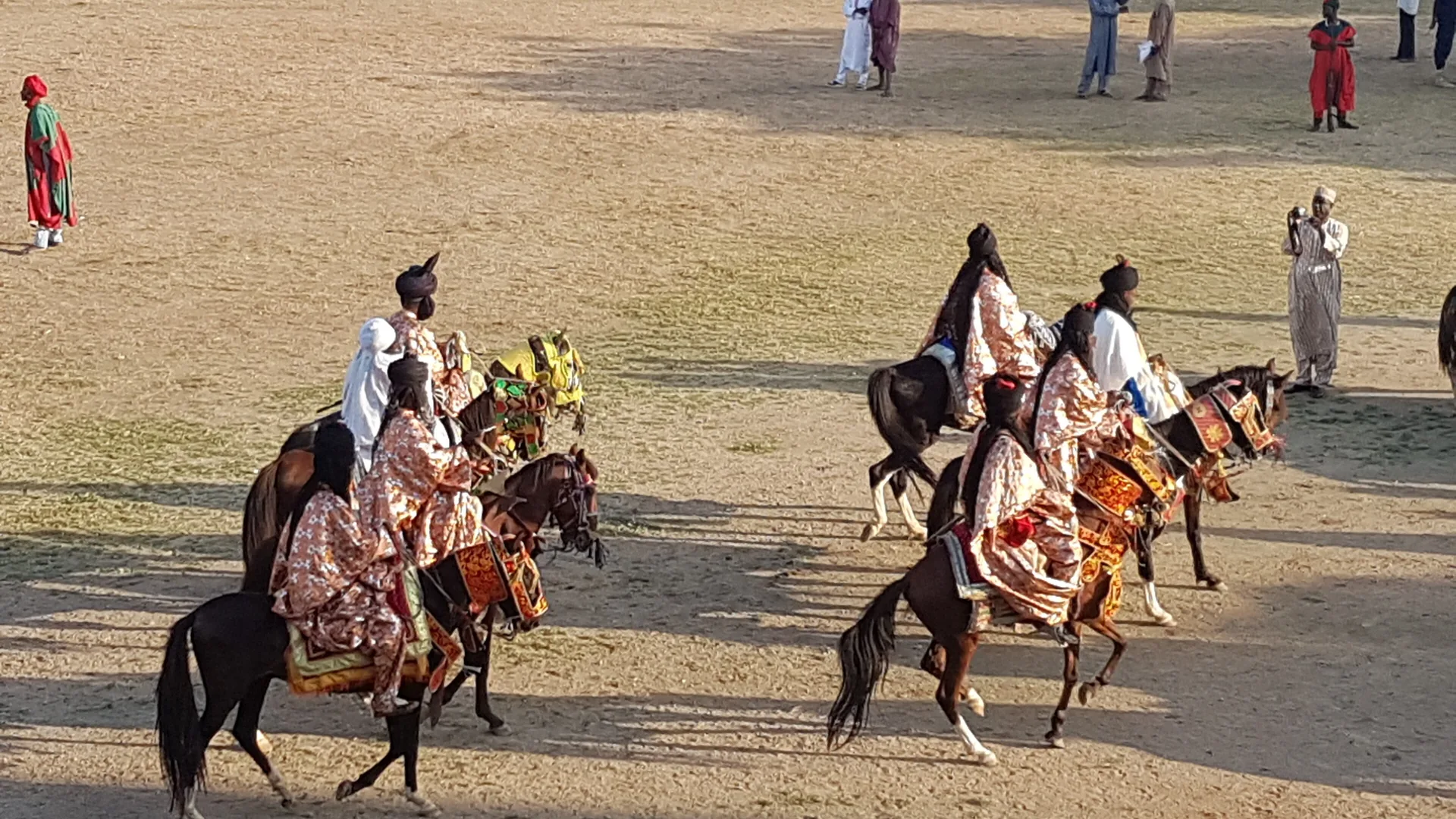
Colourful equestrian procession held during the Sallah festivals.
Dala Hill
Hill in the old city regarded as the founding site of Kano, with views over the city.
Kurmi Market
One of the oldest markets in Kano, established in the fifteenth century.
Gallery
Local Government Areas
44 local government areas
- Ajingi
- Albasu
- Bagwai
- Bebeji
- Bichi
- Bunkure
- Dala
- Dambatta
- Dawakin Kudu
- Dawakin Tofa
- Doguwa
- Fagge
- Gabasawa
- Garko
- Garun Mallam
- Gaya
- Gezawa
- Gwale
- Gwarzo
- Kabo
- Kano Municipal
- Karaye
- Kibiya
- Kiru
- Kumbotso
- Kunchi
- Kura
- Madobi
- Makoda
- Minjibir
- Nasarawa
- Rano
- Rimin Gado
- Rogo
- Shanono
- Sumaila
- Takai
- Tarauni
- Tofa
- Tsanyawa
- Tudun Wada
- Ungogo
- Warawa
- Wudil