
Benue State
“Food Basket of the Nation”
- Capital
- Makurdi
- Created
- 1976 3 Feb
- Population
- 6.1M 2022 est.
- Land area
- 34,059 km²
- Density
- 180 people / km²
- LGAs
- 23 local governments
- IGR
- ₦29.6bn 2025
Overview
Benue State is in the North-Central geopolitical zone of Nigeria, with its capital at Makurdi. It was created on 3 February 1976 from Benue-Plateau State (with the Igala division of Kwara State), under the Murtala Mohammed administration. It has an estimated population of 6,141,300 (2022) across 34,059 km², administered through 23 local government areas.
Major towns
- Makurdi
- Gboko
- Otukpo
- Katsina-Ala
- Zaki-Biam
- Vandeikya
- Adikpo
- Oju
- Aliade
- Ugbokpo
Leadership
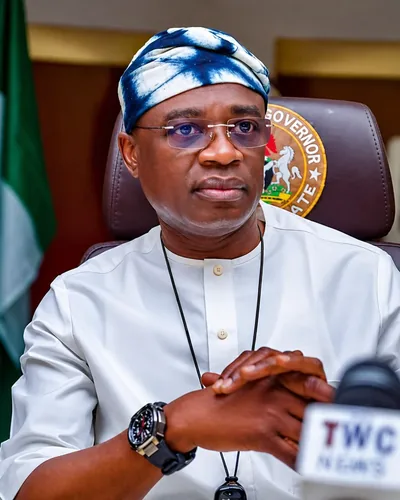
His Excellency Hyacinth Iormem Alia
APC In office since 29 May 2023 · 1st term
View profileDeputy Governor
Samuel Ode
History
The area that is now Benue State was administered by the British as Munshi Province within the Protectorate of Northern Nigeria; in 1918 the province was renamed after its dominant geographical feature, the River Benue. The name of the river is commonly traced to the Tiv expression 'Ber-nor' (river of the hippopotamus).
After independence the territory formed part of the Northern Region and, from 1967, of Benue-Plateau State. Benue State was created on 3 February 1976 by the military government of General Murtala Mohammed, when Nigeria's states were increased from 12 to 19. In August 1991 the largely Igala-speaking western part of the state was excised and merged with parts of Kwara State to form Kogi State.
The state is home mainly to the Tiv, Idoma and Igede peoples, with traditional authority organised through the Tiv and Idoma traditional councils under the Tor Tiv as chairman of the State Council of Chiefs. Cultural traditions such as the Kwagh-hir puppet theatre, Swange dance, the Alekwu ancestral festival of the Idoma and the Igede Agba yam festival are widely known. In recent years parts of the state have been affected by recurrent farmer-herder violence and population displacement.
People & Culture
Ethnic groups
- Tiv
- Idoma
- Igede
- Etulo
- Jukun
- Akweya
- Nyifon
- Hausa
Languages
- Tiv
- Idoma
- Igede
- Etulo
- Hausa
- English
Traditional institutions
- Tor Tiv (Tiv Traditional Council; chairman of the Benue State Council of Chiefs)
- Och'Idoma (Idoma Traditional Council)
- Igede traditional council (Oju and Obi LGAs)
Economy & Natural Resources
Agriculture is the mainstay of Benue's economy and engages the large majority of the workforce. The state is a leading national producer of yam, soybeans, sesame, rice, cassava, citrus and mango, which underpins its 'Food Basket of the Nation' label; the Zaki-Biam yam market in Ukum LGA is among the largest single-commodity markets in the country.
Industrial activity is modest and concentrated in Makurdi, Gboko and Otukpo, including cement production at Gboko (using local limestone), agro-processing and trade. The River Benue and the state's road links between the South-East and the North make it a transit and logistics corridor, and the state's mineral endowment (limestone, kaolin, barite and others) is largely under-exploited.
Key sectors
- Agriculture
- Agro-processing
- Cement and solid minerals
- Trade and logistics
- Public services
Agricultural produce
- Yam
- Soybean
- Sesame
- Rice
- Cassava
- Maize
- Sorghum
- Groundnut
- Citrus (oranges)
- Mango
- Oil palm
- Livestock and fisheries
Solid minerals
- Limestone
- Kaolin
- Barite
- Gypsum
- Feldspar
- Wolframite
- Lead-zinc
- Salt
- Clay
Raw materials
- Soybeans
- Sesame seed
- Citrus fruits
- Yam tubers
- Limestone
- Kaolin
- Palm produce
- Timber
Internally generated revenue: ₦29.6bn (2025) · Source: NBS, Internally Generated Revenue at State Level 2025 (figures as reported by Blueprint, 24 Sep 2026; rounded to N0.01bn)
Investment Opportunities
Agro-processing
Processing of soybeans, sesame, citrus, mango and cassava close to source, and storage to reduce post-harvest losses in a leading food-producing state.
Cold chain and logistics
Warehousing, cold storage and haulage serving produce markets such as Zaki-Biam and the Makurdi-Lafia and Makurdi-Otukpo corridors.
Solid minerals
Limestone and kaolin deposits suit cement, ceramics and industrial-mineral processing.
Inland waterways and fisheries
The navigable River Benue offers potential for river transport, aquaculture and riverside tourism.
Interested in Benue?
Submit your proposal and the Secretariat will connect you with the state's investment agency.
Tourism & Heritage
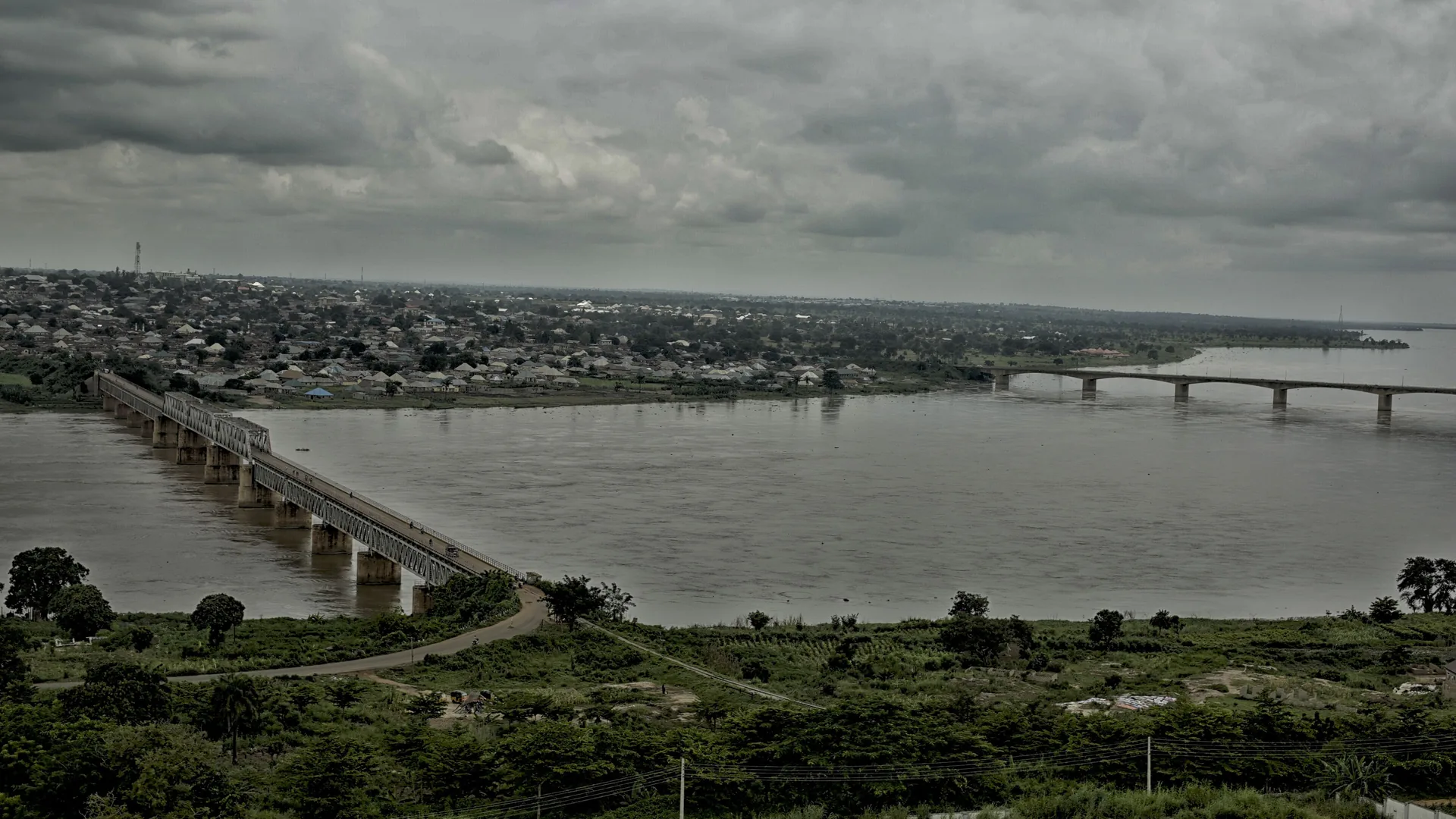
River Benue and the Makurdi bridges
The broad River Benue at Makurdi, spanned by the 1932 rail bridge and a modern road bridge.
Mkar Hill
A prominent hill near Gboko, close to the historic NKST mission station at Mkar.
Ikwe Holiday Resort
A hill resort near Igbor in Gwer East LGA.
Kwagh-hir puppet theatre
Tiv masquerade and puppet performances staged at festivals and cultural events across the state.
Alekwu and Igede Agba festivals
The Idoma ancestral festival and the Igede yam festival, held annually.
Gallery
Local Government Areas
23 local government areas
- Ado
- Agatu
- Apa
- Buruku
- Gboko
- Guma
- Gwer East
- Gwer West
- Katsina-Ala
- Konshisha
- Kwande
- Logo
- Makurdi
- Obi
- Ogbadibo
- Ohimini
- Oju
- Okpokwu
- Otukpo
- Tarka
- Ukum
- Ushongo
- Vandeikya