
Yobe State
“Pride of the Sahel”
- Capital
- Damaturu
- Created
- 1991 27 Aug
- Population
- 3.6M 2022 est.
- Land area
- 45,502 km²
- Density
- 80 people / km²
- LGAs
- 17 local governments
- IGR
- ₦11.2bn 2023
Overview
Yobe State is in the North-East geopolitical zone of Nigeria, with its capital at Damaturu. It was created on 27 August 1991 from Borno State. It has an estimated population of 3,649,600 (2022) across 45,502 km², administered through 17 local government areas.
Major towns
- Damaturu
- Potiskum
- Gashua
- Nguru
- Geidam
- Buni Yadi
- Machina
- Fika
- Dapchi
Leadership

His Excellency Mai Mala Buni
APC In office since 29 May 2019 · 2nd term
View profileDeputy Governor
Idi Barde Gubana
History
The area of present-day Yobe was part of the heartland of the Bornu Empire: Birni Ngazargamu, near Geidam, was the empire's capital from the late fifteenth century until it was sacked during the Fulani jihad in 1808. Peoples such as the Bade, Ngizim, Karai-Karai and Bolewa established emirates and chiefdoms in the west and south of the territory. The 8,000-year-old Dufuna canoe, one of the oldest boats ever found in Africa, was discovered near Dufuna in Fune LGA in 1987.
Under British rule the area formed part of Bornu Province of the Northern Nigeria Protectorate. After independence it belonged to the Northern Region, the North-Eastern State (1967) and Borno State (1976).
Yobe State was carved out of Borno State on 27 August 1991 by the Babangida administration, with Damaturu as capital. The state was severely affected by the Boko Haram insurgency, including attacks in Damaturu, Potiskum, Buni Yadi and the 2018 Dapchi schoolgirls abduction, and has since focused on reconstruction and resettlement.
People & Culture
Ethnic groups
- Kanuri
- Karai-Karai
- Fulani
- Bolewa
- Ngizim
- Bade
- Ngamo
- Shuwa Arabs
- Bura
- Marghi
- Hausa
- Manga
Languages
- Kanuri
- Hausa
- English
- Bade
- Ngizim
- Karai-Karai
- Bole (Bolewa)
- Fulfulde
- Ngamo
- Shuwa Arabic
Traditional institutions
- Bade Emirate (Gashua)
- Fika Emirate (Potiskum)
- Damaturu Emirate
- Machina Emirate
- Nguru Emirate
- Gujba Emirate
- Fune Emirate
Economy & Natural Resources
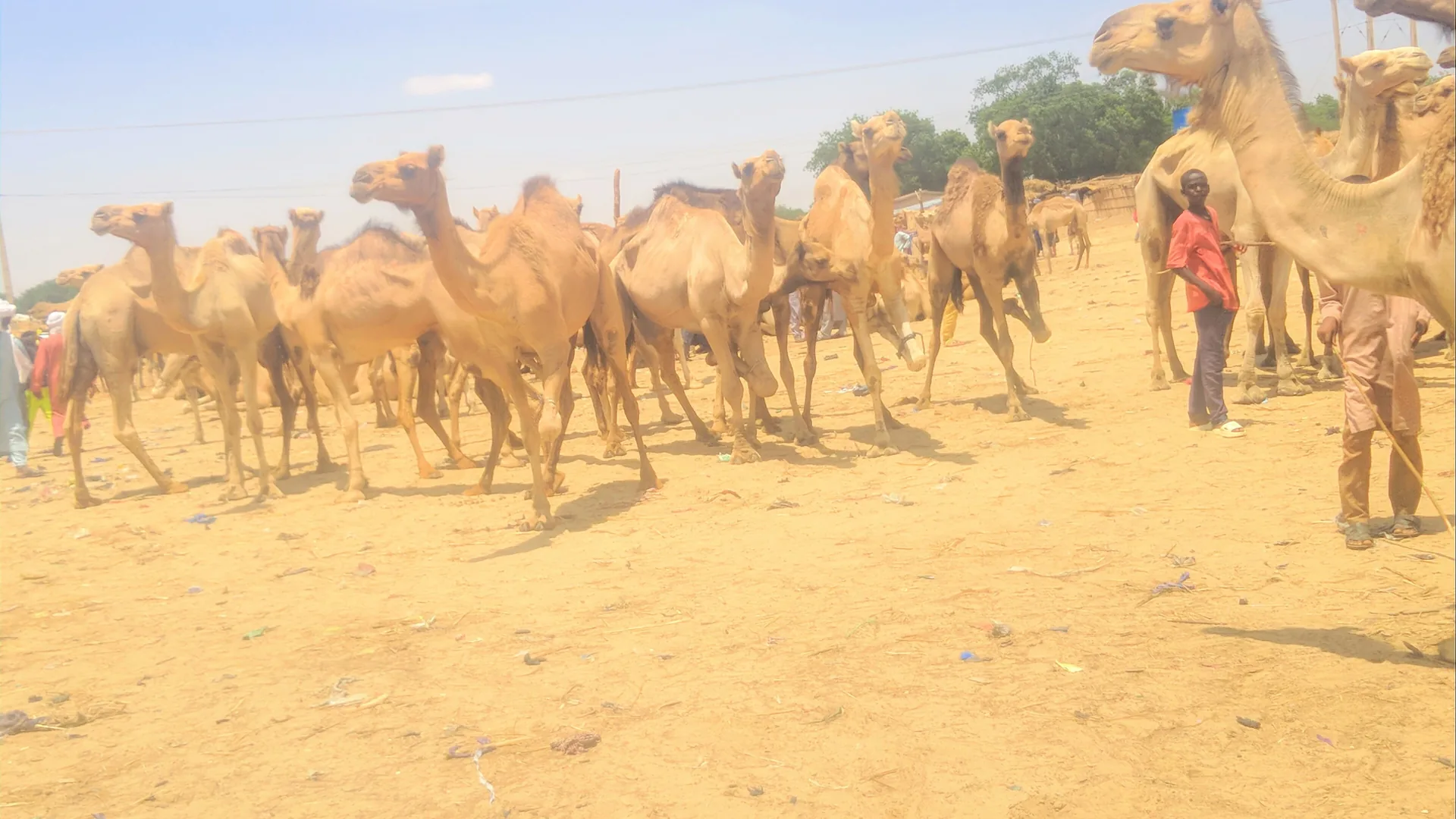
Yobe is mainly agricultural, with production of millet, sorghum, maize, cowpea, groundnut, sesame, cotton and gum arabic, and irrigated farming in the Hadejia-Nguru wetlands along the Komadugu Yobe river system. Livestock is a pillar of the economy: Potiskum hosts one of the largest cattle markets in West Africa, and camels, sheep and goats are traded in markets such as Geidam.
The state has deposits of gypsum (Fika), kaolin (Fune) and trona. The state government has invested in the Damaturu international cargo airport and a sesame processing hub in Machina. NBS data put Yobe's internally generated revenue at about N11.2 billion in 2023, among the lowest in Nigeria.
Key sectors
- Agriculture
- Livestock
- Cross-border trade
- Agro-processing
- Solid minerals
- Air cargo logistics
Agricultural produce
- Millet
- Sorghum
- Maize
- Cowpea
- Groundnut
- Sesame
- Cotton
- Gum arabic
- Rice
- Cattle
- Camels
Solid minerals
- Gypsum
- Kaolin
- Trona
Raw materials
- Gum arabic
- Sesame
- Hides and skins
- Groundnut
- Gypsum
Internally generated revenue: ₦11.2bn (2023) · Source: NBS, Internally Generated Revenue at State Level 2023 (https://nigerianstat.gov.ng/download/1241579)
Investment Opportunities
Livestock trade and processing
The Potiskum cattle market and Sahelian camel trade offer scope for abattoirs, cold chains and leather processing.
Sesame and gum arabic
Export-oriented crops supported by the state's sesame processing hub in Machina.
Air cargo logistics
The Damaturu international cargo airport can serve agricultural exports and regional trade.
Cross-border trade
Proximity to Niger Republic supports trade corridors and markets in northern LGAs.
Interested in Yobe?
Submit your proposal and the Secretariat will connect you with the state's investment agency.
Tourism & Heritage
Birni Ngazargamu
Ruins of the former capital of the Bornu Empire near Geidam.
Dufuna Canoe
An 8,000-year-old dugout canoe found near Dufuna in Fune LGA, among the oldest boats discovered in Africa.
Gooya Valley and hills, Fika
Rocky hills and valleys in Fika LGA.
Dagona Waterfowl Sanctuary
Bird sanctuary in the Hadejia-Nguru wetlands near Gashua.
Potiskum cattle market
One of the largest livestock markets in West Africa.
Gallery
Local Government Areas
17 local government areas
- Bade
- Bursari
- Damaturu
- Fika
- Fune
- Geidam
- Gujba
- Gulani
- Jakusko
- Karasuwa
- Machina
- Nangere
- Nguru
- Potiskum
- Tarmuwa
- Yunusari
- Yusufari