
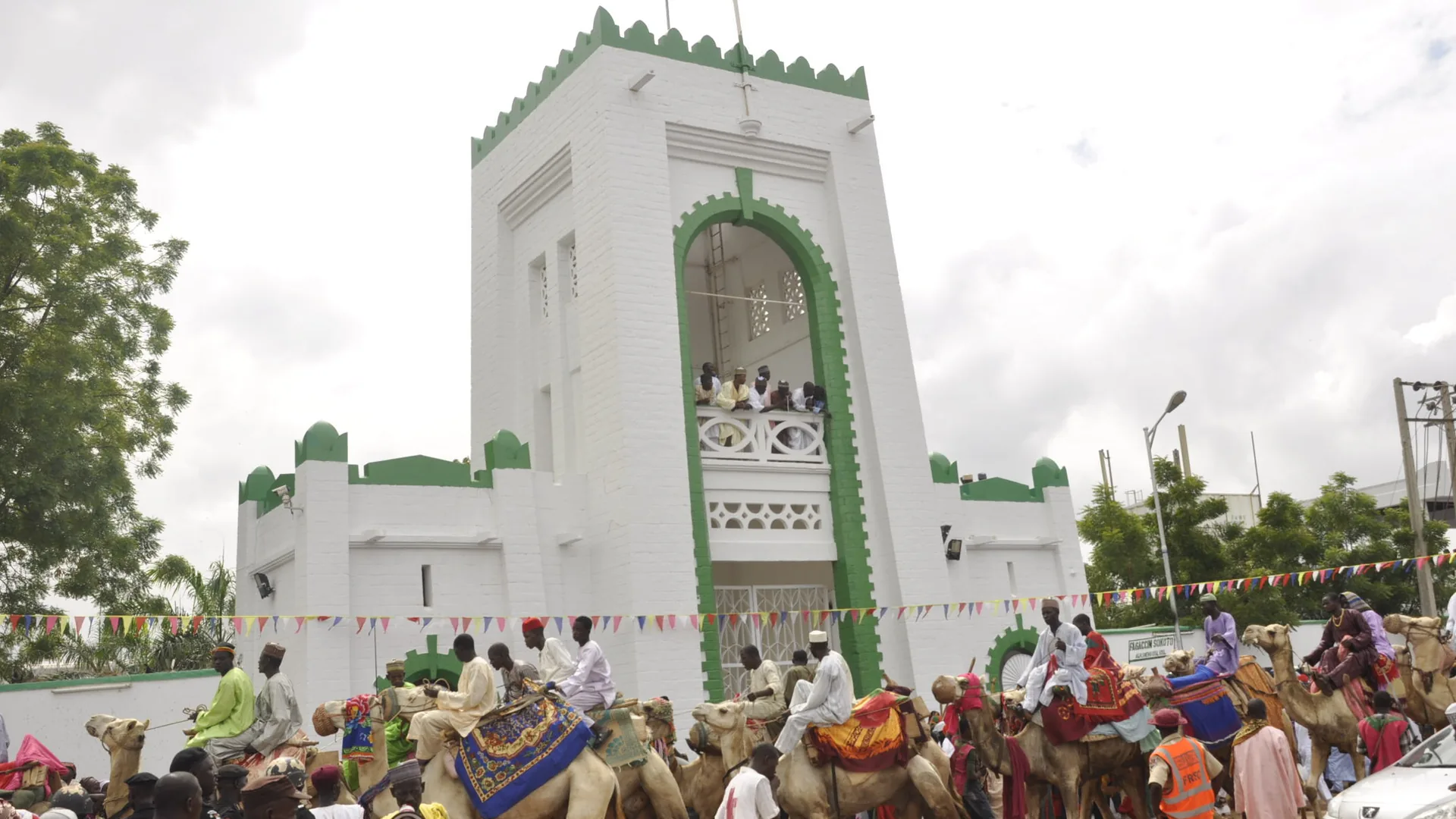
Sokoto State
“Seat of the Caliphate”
- Capital
- Sokoto
- Created
- 1976 3 Feb
- Population
- 6.4M 2022 est.
- Land area
- 25,973 km²
- Density
- 246 people / km²
- LGAs
- 23 local governments
- IGR
- ₦20.9bn 2024
Overview
Sokoto State is in the North-West geopolitical zone of Nigeria, with its capital at Sokoto. It was created on 3 February 1976 from North-Western State (created from the Northern Region in 1967), under the Murtala Mohammed administration. Kebbi (1991) and Zamfara (1996) were later carved out of it. It has an estimated population of 6,391,000 (2022) across 25,973 km², administered through 23 local government areas.
Major towns
- Sokoto
- Tambuwal
- Gwadabawa
- Illela
- Wurno
- Goronyo
- Isa
- Sabon Birni
- Bodinga
- Shagari
Leadership
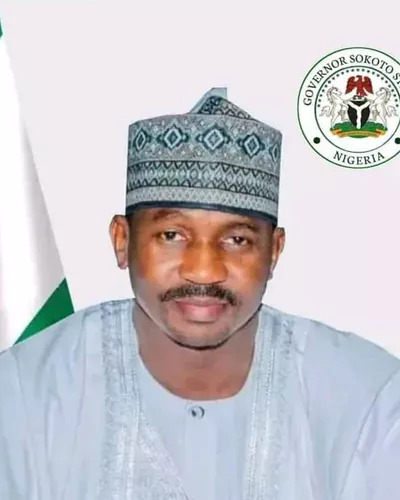
His Excellency Ahmad Aliyu Sokoto
APC In office since 29 May 2023 · 1st term
View profileDeputy Governor
Idris Muhammad Gobir
History
Sokoto is the historic seat of the Sokoto Caliphate, the largest state in nineteenth-century West Africa. The caliphate grew out of the jihad launched in 1804 by the Islamic scholar Usman dan Fodio against the Hausa kingdom of Gobir; his son Muhammad Bello founded the city of Sokoto in 1809 and became the first Sultan. At its height the caliphate's authority extended over most of present-day northern Nigeria and parts of Niger, Burkina Faso and Cameroon, governed through emirates owing allegiance to the Sultan in Sokoto and to Gwandu in the west.
British forces under Frederick Lugard captured Sokoto in March 1903, and the caliphate was incorporated into the Protectorate of Northern Nigeria, with the Sultan retained as a senior traditional and religious authority. Ahmadu Bello, the Sardauna of Sokoto, became Premier of the Northern Region (1954-1966), and Shehu Shagari, Nigeria's first executive president (1979-1983), was also from Sokoto.
In 1967 the area became part of North-Western State, and on 3 February 1976 it was renamed Sokoto State. Kebbi State was carved out of it in 1991 and Zamfara State in 1996. The Sultan of Sokoto remains the spiritual leader of Nigeria's Muslims, and the tomb of Usman dan Fodio (Hubbare) in Sokoto is a major place of visitation.
People & Culture
Ethnic groups
- Hausa
- Fulani
- Zarma
- Tuareg
Languages
- Hausa
- Fulfulde
- Zarma
- Tamasheq
- English
Traditional institutions
- Sokoto Sultanate Council (Sultan of Sokoto, President-General of the Nigerian Supreme Council for Islamic Affairs)
- District heads under the Sokoto Sultanate
Economy & Natural Resources
Sokoto's economy is based mainly on agriculture and livestock. The state lies in the semi-arid Sudan-Sahel savanna and is one of Nigeria's largest producers of livestock, with cattle, sheep, goats and camels, and is noted for its hides and skins, including the red goat skins historically exported as 'Moroccan' leather. Crops include millet, sorghum, maize, rice, cowpea, groundnut, onions, wheat and vegetables, with irrigation from the Sokoto-Rima basin schemes such as the Goronyo Dam.
The state has extensive limestone deposits that support cement manufacturing at Kalambaina near Sokoto city, and also has kaolin, gypsum, phosphate and other industrial minerals. Cross-border trade with the Niger Republic through Illela is significant. According to the National Bureau of Statistics, Sokoto recorded internally generated revenue of about N20.9 billion in 2024, among the lowest in the country.
Key sectors
- Agriculture
- Livestock
- Leather
- Cement and solid minerals
- Cross-border trade
- Religious and heritage tourism
Agricultural produce
- Millet
- Sorghum
- Maize
- Rice
- Cowpea
- Groundnut
- Onions
- Wheat
- Sugarcane
- Vegetables
- Livestock (cattle, sheep, goats, camels)
Solid minerals
- Limestone
- Kaolin
- Gypsum
- Phosphate
- Clay
Raw materials
- Hides and skins
- Limestone
- Onions
- Grains
- Gum arabic
Internally generated revenue: ₦20.9bn (2024) · Source: National Bureau of Statistics (NBS) 2024 IGR data as reported by Nairametrics (October 2025); rounded figure
Investment Opportunities
Leather and livestock
Tanning and leather-goods production, abattoirs and dairy based on the state's large livestock population.
Cement and minerals
Further exploitation of limestone, gypsum, kaolin and phosphate deposits for construction and fertiliser industries.
Irrigation agriculture
Rice, wheat, onion and vegetable production on irrigated land in the Sokoto-Rima basin.
Heritage tourism
Hospitality services for visitors to the historic sites of the Sokoto Caliphate.
Interested in Sokoto?
Submit your proposal and the Secretariat will connect you with the state's investment agency.
Tourism & Heritage
Hubbaren Shehu
Tomb of Usman dan Fodio, founder of the Sokoto Caliphate, a major place of visitation.
Sultan's Palace
Seat of the Sultan of Sokoto, venue of durbar processions during festivals.
Sultan Bello Mosque (Masallacin Bello)
Historic central mosque associated with Muhammad Bello, the first Sultan.
Waziri Junaidu History and Culture Bureau
Archive and centre for the history of the Sokoto Caliphate.
Goronyo Dam
Large reservoir on the Rima River supporting irrigation and fishing.
Gallery
Local Government Areas
23 local government areas
- Binji
- Bodinga
- Dange Shuni
- Gada
- Goronyo
- Gudu
- Gwadabawa
- Illela
- Isa
- Kebbe
- Kware
- Rabah
- Sabon Birni
- Shagari
- Silame
- Sokoto North
- Sokoto South
- Tambuwal
- Tangaza
- Tureta
- Wamako
- Wurno
- Yabo