
Katsina State
“Home of Hospitality”
- Capital
- Katsina
- Created
- 1987 23 Sep
- Population
- 10.4M 2022 est.
- Land area
- 24,192 km²
- Density
- 429 people / km²
- LGAs
- 34 local governments
- IGR
- ₦39.2bn 2024
Overview
Katsina State is in the North-West geopolitical zone of Nigeria, with its capital at Katsina. It was created on 23 September 1987 from Kaduna State (Katsina and Daura emirates), under the Ibrahim Babangida administration. It has an estimated population of 10,368,500 (2022) across 24,192 km², administered through 34 local government areas.
Major towns
- Katsina
- Funtua
- Daura
- Malumfashi
- Dutsin-Ma
- Kankia
- Jibia
- Mani
- Kankara
- Bakori
Leadership
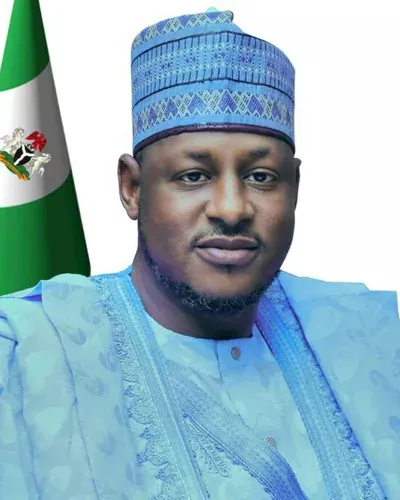
His Excellency Dikko Umaru Radda
APC In office since 29 May 2023 · 1st term
View profileDeputy Governor
Faruk Lawal Jobe
History
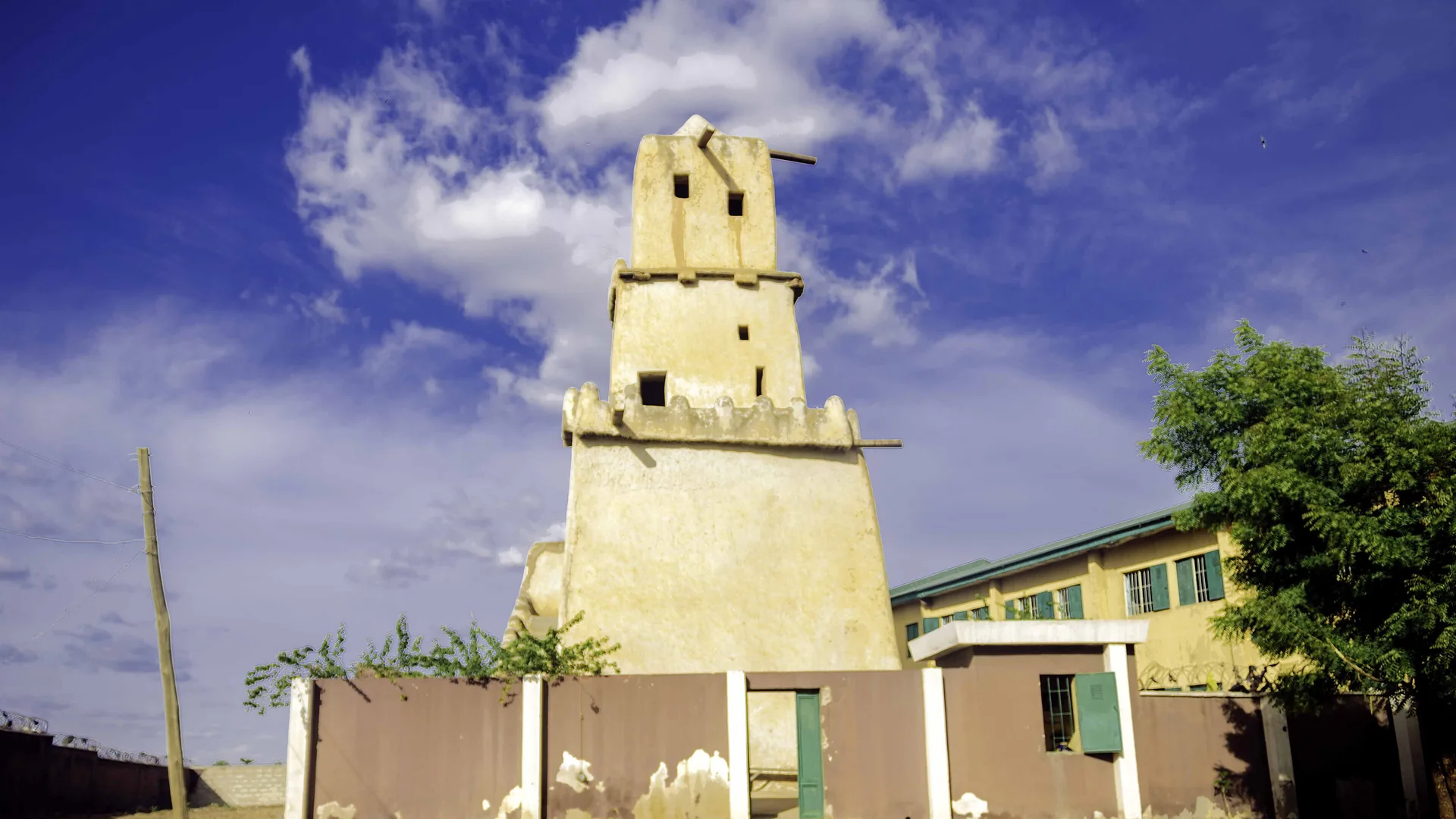
Katsina and Daura are among the oldest Hausa city-states. Hausa tradition holds Daura to be the place where the legendary Bayajidda killed the serpent of the Kusugu well and married the queen of Daura, whose descendants founded the Hausa Bakwai kingdoms. From the fifteenth century the walled city of Katsina became a major centre of the trans-Saharan trade and of Islamic learning; the Gobarau Minaret, traditionally dated to that period, is one of its best-known monuments.
In the early nineteenth century the Fulani jihad led to the establishment of the Katsina and Daura emirates within the Sokoto Caliphate. Under British rule the area was administered as Katsina Province, and Katsina College, founded in 1922, educated many of northern Nigeria's early political leaders. After 1967 the emirates were part of North-Central State, renamed Kaduna State in 1976.
Katsina State was created from Kaduna State on 23 September 1987 by the government of General Ibrahim Babangida. The state is the home of former President Umaru Musa Yar'Adua and of former President Muhammadu Buhari, who was born in Daura. In recent years parts of the state, especially in its southern and western forest areas, have faced serious insecurity from armed banditry.
People & Culture
Ethnic groups
- Hausa
- Fulani
Languages
- Hausa
- Fulfulde
- English
Traditional institutions
- Katsina Emirate
- Daura Emirate
- Katsina State Council of Chiefs
Economy & Natural Resources
Agriculture and livestock dominate Katsina's economy. The state is a major producer of millet, sorghum, maize, groundnut, cowpea, cotton and vegetables, with the Funtua and Malumfashi zones in the south forming its most productive farming belt. Funtua has a long history of cotton ginning, oil milling and agro-industry. Cross-border trade with the Niger Republic through Jibia, Mai'Adua and Kongolam is also significant.
The state government has invested in agricultural mechanisation, irrigation and fertiliser distribution, and in community-based security to reopen farmlands affected by banditry. According to the National Bureau of Statistics, Katsina recorded internally generated revenue of about N39.2 billion in 2024.
Key sectors
- Agriculture
- Livestock
- Agro-processing
- Cross-border trade
- Education
Agricultural produce
- Millet
- Sorghum
- Maize
- Groundnut
- Cowpea
- Cotton
- Rice
- Soybeans
- Tomatoes
- Livestock
Solid minerals
- Kaolin
- Marble
- Salt
Raw materials
- Cotton lint
- Groundnut
- Hides and skins
- Grains
- Soybeans
Internally generated revenue: ₦39.2bn (2024) · Source: National Bureau of Statistics (NBS), 2024 IGR report (published October 2025)
Investment Opportunities
Agro-processing
Cotton ginning, grain milling and oilseed processing in the Funtua-Malumfashi agricultural belt.
Livestock
Dairy, feedlots and abattoirs serving the state's large cattle, sheep and goat herds.
Cross-border trade
Trade and logistics services along the Katsina-Niger Republic corridor through Jibia and Mai'Adua.
Mechanisation services
Tractor hiring and agricultural equipment services linked to the state's mechanisation centres.
Interested in Katsina?
Submit your proposal and the Secretariat will connect you with the state's investment agency.
Tourism & Heritage
Gobarau Minaret
Historic earthen minaret in Katsina city, traditionally dated to the fifteenth century.
Kusugu Well, Daura
Well associated with the Bayajidda legend of the origin of the Hausa states.
Emir's Palace (Gidan Korau), Katsina
Palace of the Emir of Katsina, with a prominent clock-tower gateway.
Katsina Durbar
Equestrian procession held during the Sallah festivals in Katsina and Daura.
National Museum, Katsina
Museum documenting the history and culture of Katsina.
Zobe Dam
Reservoir near Dutsin-Ma used for water supply and irrigation.
Gallery
Local Government Areas
34 local government areas
- Bakori
- Batagarawa
- Batsari
- Baure
- Bindawa
- Charanchi
- Dan Musa
- Dandume
- Danja
- Daura
- Dutsi
- Dutsin-Ma
- Faskari
- Funtua
- Ingawa
- Jibia
- Kafur
- Kaita
- Kankara
- Kankia
- Katsina
- Kurfi
- Kusada
- Mai'Adua
- Malumfashi
- Mani
- Mashi
- Matazu
- Musawa
- Rimi
- Sabuwa
- Safana
- Sandamu
- Zango