
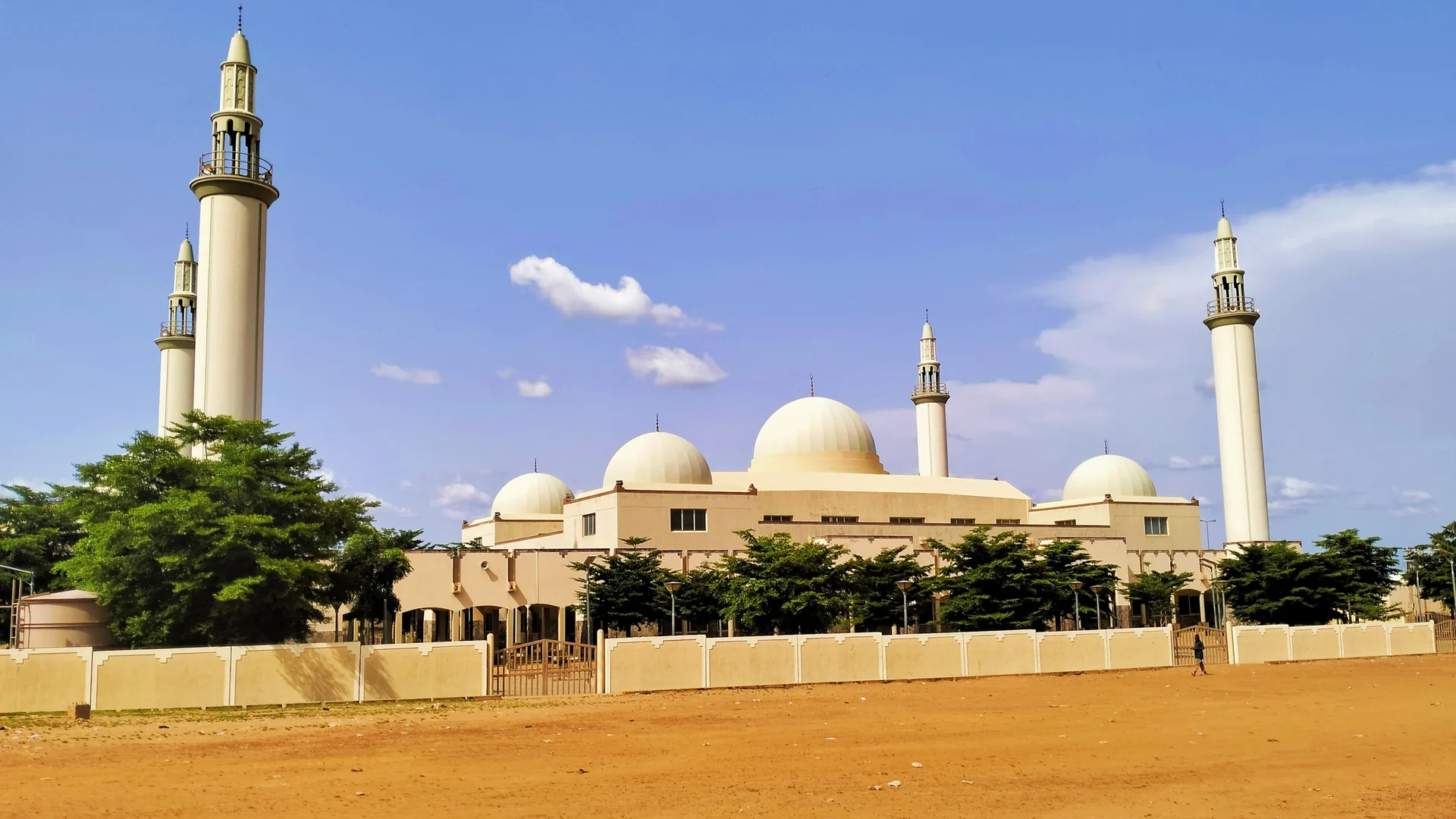
Gombe State
“Jewel in the Savannah”
- Capital
- Gombe
- Created
- 1996 1 Oct
- Population
- 4M 2022 est.
- Land area
- 18,768 km²
- Density
- 211 people / km²
- LGAs
- 11 local governments
- IGR
- ₦15.2bn 2023
Overview
Gombe State is in the North-East geopolitical zone of Nigeria, with its capital at Gombe. It was created on 1 October 1996 from Bauchi State. It has an estimated population of 3,960,100 (2022) across 18,768 km², administered through 11 local government areas.
Major towns
- Gombe
- Kumo
- Billiri
- Kaltungo
- Dukku
- Deba
- Bajoga
- Nafada
- Tula
Leadership
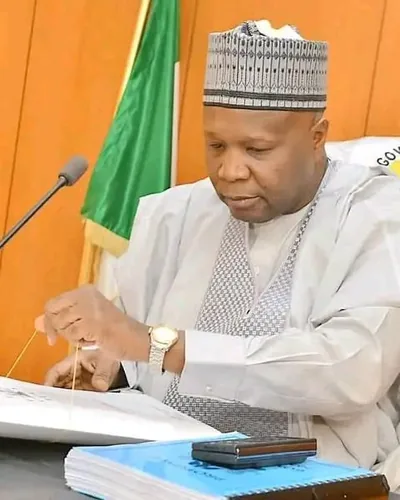
His Excellency Muhammadu Inuwa Yahaya
APC In office since 29 May 2019 · 2nd term
View profileDeputy Governor
Manassah Daniel Jatau
History
In the pre-colonial period the area of present-day Gombe was divided among several polities. In the early nineteenth century the Fulani jihad brought the north under the Sokoto Caliphate as the Gombe Emirate, while the Tangale and neighbouring peoples of the south and east maintained their own institutions.
British expeditions occupied the emirate and surrounding areas in the early twentieth century and incorporated them into the Northern Nigeria Protectorate. After independence the area was part of the Northern Region, the North-Eastern State (1967) and Bauchi State (1976).
Gombe State was created from the western LGAs of old Bauchi State on 1 October 1996 by the military government of General Sani Abacha. Its capital, Gombe, has since grown into a regional centre for health, education and commerce, and the state celebrated 25 years of creation in 2021.
People & Culture
Ethnic groups
- Fulani
- Tangale
- Hausa
- Tera
- Waja
- Tula
- Cham
- Dadiya
- Lunguda
- Jara
- Bolewa
- Kanuri
Languages
- Fulfulde
- Hausa
- English
- Tangale
- Tera
- Waja
- Cham
- Lunguda
- Bolewa
Traditional institutions
- Gombe Emirate
- Dukku Emirate
- Tangale Chiefdom (Mai Tangale, Billiri)
- Kaltungo Chiefdom
Economy & Natural Resources
Gombe's economy is largely agricultural, producing sorghum, maize, groundnut, millet, beans, rice, cotton and tomatoes, mainly in the central and southern axis, while the northern axis is noted for herding of cattle, camels, goats and sheep. The Dadin Kowa dam on the Gongola River supports irrigation and hydropower, and the Ashaka cement works at Funakaye is a major industrial employer.
The state government has promoted an industrial park and business-environment reforms; Gombe ranked first on the PEBEC sub-national ease of doing business index in 2021 and 2022. The Kolmani oil and gas field straddles the Gombe–Bauchi border. NBS data put Gombe's internally generated revenue at about N15.2 billion in 2023.
Key sectors
- Agriculture
- Livestock
- Cement and solid minerals
- Commerce and services
- Hydropower
- Health and education services
Agricultural produce
- Sorghum
- Maize
- Groundnut
- Millet
- Beans
- Rice
- Cotton
- Tomatoes
- Cattle
Solid minerals
- Limestone
- Gypsum
- Uranium
Raw materials
- Limestone
- Cotton
- Groundnut
- Hides and skins
Internally generated revenue: ₦15.2bn (2023) · Source: NBS, Internally Generated Revenue at State Level 2023 (https://nigerianstat.gov.ng/download/1241579)
Investment Opportunities
Industrial park
The state-backed Gombe Industrial Park on about 1,000 hectares is linked to power from the Dadin Kowa hydro station.
Cement and building materials
Limestone and gypsum deposits support cement and building-materials production.
Agro-processing
Grain, cotton and tomato output can feed milling, ginning and processing plants.
Logistics
Gombe's road network positions it as a transit node between North-East and North-West markets.
Interested in Gombe?
Submit your proposal and the Secretariat will connect you with the state's investment agency.
Tourism & Heritage
Gombe Emirate Central Mosque and Emir's Palace
Landmark mosque and palace complex in the heart of Gombe city.
Billiri Hill
Prominent rock outcrop in the Tangale homeland of Billiri LGA.
Dadin Kowa Dam
Large reservoir on the Gongola River used for irrigation and hydropower.
Tula Highlands
Hilly terrain in Kaltungo LGA, home of the Tula people.
Kalam Hill (Dukku)
Archaeological site in Dukku LGA known for ancient pottery finds.
Gallery
Local Government Areas
11 local government areas
- Akko
- Balanga
- Billiri
- Dukku
- Funakaye
- Gombe
- Kaltungo
- Kwami
- Nafada
- Shongom
- Yamaltu/Deba