
Kaduna State
“Centre of Learning”
- Capital
- Kaduna
- Created
- 1967 27 May
- Population
- 9M 2022 est.
- Land area
- 46,053 km²
- Density
- 196 people / km²
- LGAs
- 23 local governments
- IGR
- ₦71.6bn 2024
Overview
Kaduna State is in the North-West geopolitical zone of Nigeria, with its capital at Kaduna. It was created on 27 May 1967 from Northern Region, as North-Central State (one of the original 12 states); renamed Kaduna State in 1976. Katsina State was carved out of it in 1987. It has an estimated population of 9,032,200 (2022) across 46,053 km², administered through 23 local government areas.
Major towns
- Kaduna
- Zaria
- Kafanchan
- Zonkwa
- Kagoro
- Saminaka
- Makarfi
- Kachia
- Birnin Gwari
- Ikara
Leadership
Deputy Governor
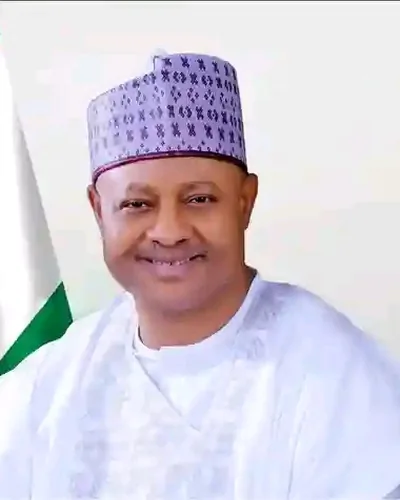
Hadiza Sabuwa Balarabe
History
Kaduna State contains some of the oldest evidence of complex society in West Africa: the Nok culture, known for its terracotta sculptures and early iron-working, takes its name from the village of Nok in Jaba Local Government Area, where the first figures were found in the 1940s. In the later medieval period the northern part of the state was home to the Hausa kingdom of Zazzau (Zaria), associated in tradition with the warrior queen Amina, which became an emirate of the Sokoto Caliphate after the jihad of the early nineteenth century. Southern Kaduna is home to many distinct peoples with their own chiefdoms.
Kaduna city was founded by the British colonial administration under Frederick Lugard and became the capital of the Northern Provinces in 1917, and later of the Northern Region. Lugard Hall housed the regional legislature, and the city became the political base of Premier Ahmadu Bello. The region's leading institutions, including Ahmadu Bello University in Zaria (founded 1962), helped earn the state its reputation as a centre of learning.
When Nigeria's regions were replaced by 12 states in May 1967, the area became North-Central State, with Kaduna as capital; it was renamed Kaduna State in 1976. On 23 September 1987 the northern emirates of Katsina and Daura were split off to form Katsina State. Kaduna remains a major administrative, military, educational and industrial centre, though its recent history has also been marked by ethno-religious tensions and, in rural areas, insecurity.
People & Culture
Ethnic groups
- Hausa
- Fulani
- Gbagyi
- Atyap
- Bajju
- Ham (Jaba)
- Adara
- Gwong (Kagoro)
- Kurama
- Ninzo
Languages
- Hausa
- Gbagyi
- Tyap
- Jju
- Hyam
- Adara
- Fulfulde
- English
Traditional institutions
- Zazzau Emirate (Zaria)
- Jema'a Emirate
- Birnin Gwari Emirate
- Lere Emirate
- Atyap Chiefdom
- Bajju Chiefdom
- Ham Chiefdom
- Gwong (Kagoro) Chiefdom
- Adara Chiefdom
- Kaduna State Council of Chiefs
Economy & Natural Resources
Kaduna has one of the more diversified economies in northern Nigeria. Agriculture remains the largest employer, with the state among the leading national producers of maize, ginger, sorghum and other grains; ginger production is concentrated in southern Kaduna around Kachia, Jaba and Kafanchan. Kaduna city hosts the Kaduna Refining and Petrochemical Company, textile and manufacturing industries (historically a major textile hub), military and defence establishments, and the Kaduna Inland Dry Port.
The state sits on the Abuja-Kaduna-Kano road and rail corridor and has positioned itself as a logistics and investment destination through the Kaduna Investment Promotion Agency. According to the National Bureau of Statistics, Kaduna generated about N71.6 billion in internally generated revenue in 2024, among the highest in northern Nigeria. The current administration's budgets have emphasised rural infrastructure, agriculture and human-capital investment.
Key sectors
- Agriculture
- Manufacturing
- Petroleum refining
- Logistics
- Education
- Solid minerals
- Trade and services
Agricultural produce
- Maize
- Ginger
- Sorghum
- Rice
- Soybeans
- Cotton
- Groundnut
- Yam
- Cassava
- Tomatoes
- Livestock
Solid minerals
- Gold
- Kaolin
- Clay
- Mica
- Graphite
- Tantalite
- Asbestos
- Feldspar
Gemstones
- Sapphire
- Ruby
- Tourmaline
- Aquamarine
- Topaz
- Amethyst
Raw materials
- Ginger
- Cotton lint
- Maize
- Soybeans
- Hides and skins
- Kaolin
Internally generated revenue: ₦71.6bn (2024) · Source: National Bureau of Statistics (NBS), 2024 IGR report (published October 2025)
Investment Opportunities
Agro-processing
Processing of ginger, maize, soybeans and tomatoes grown in commercial quantities across the state.
Logistics
The Kaduna Inland Dry Port and the Abuja-Kaduna-Kano rail and road corridor support warehousing and distribution businesses.
Solid minerals and gemstones
Kaduna is a recognised source of gemstones and industrial minerals such as kaolin, offering mining and cutting/polishing opportunities.
Manufacturing
Established industrial areas in Kaduna city, with existing petroleum-refining and textile infrastructure.
Interested in Kaduna?
Submit your proposal and the Secretariat will connect you with the state's investment agency.
Tourism & Heritage
Nok
Village in Jaba LGA that gave its name to the ancient Nok terracotta culture, with a site museum.
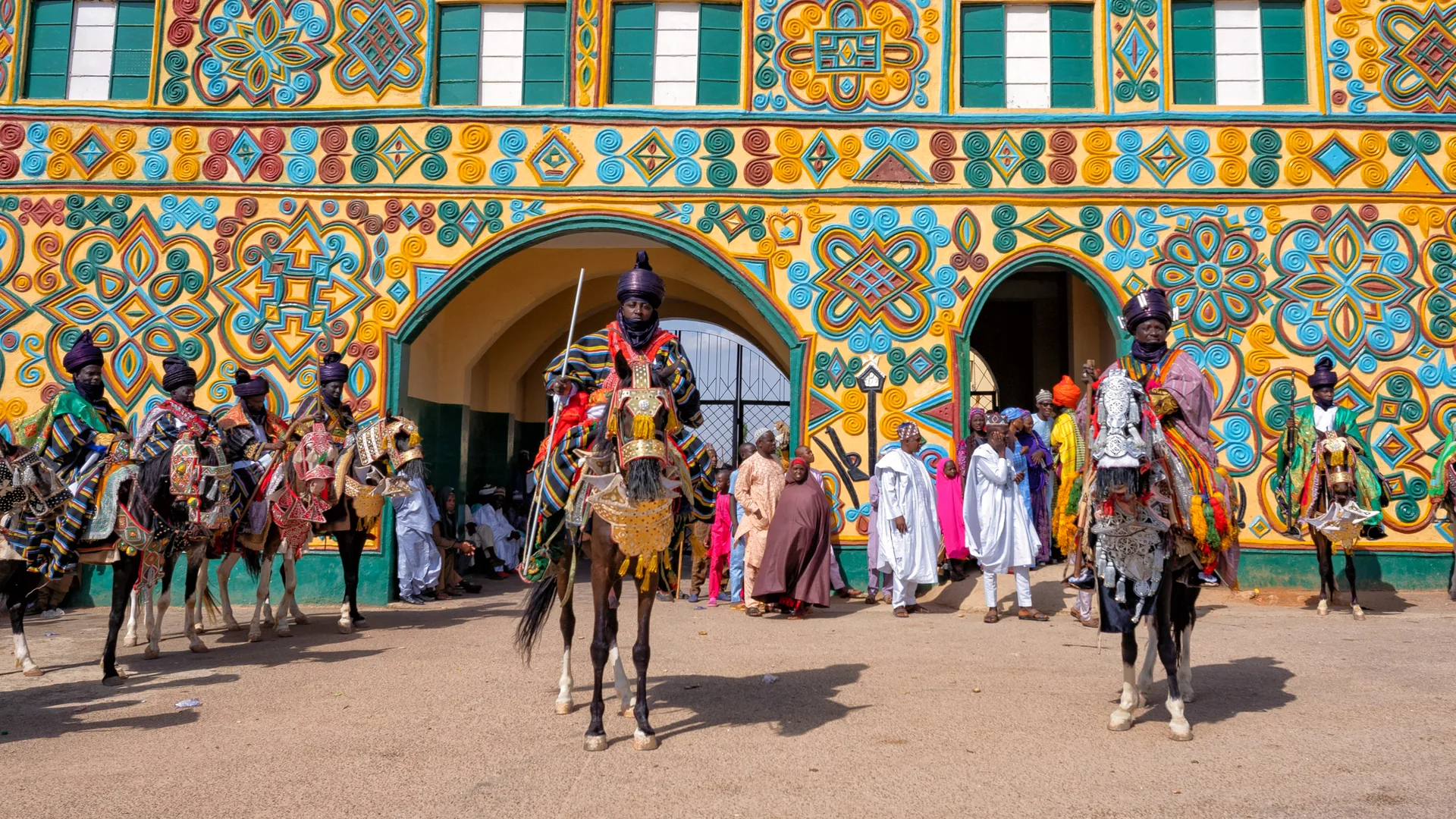
Zazzau Emir's Palace, Zaria
Historic palace of the Emir of Zazzau, noted for its decorated Hausa architecture.
Old Zaria City walls and gates
Remains of the historic earthen walls and gates of Zazzau.
Lugard Hall
Colonial-era building in Kaduna that housed the Northern Region legislature.
Kajuru Castle
A privately built European-style castle on a rocky hill at Kajuru, used as a resort.
Matsirga Waterfalls
Waterfall near Kafanchan in southern Kaduna.
Kamuku National Park
Savanna national park in Birnin Gwari LGA.
Gallery
Local Government Areas
23 local government areas
- Birnin Gwari
- Chikun
- Giwa
- Igabi
- Ikara
- Jaba
- Jema'a
- Kachia
- Kaduna North
- Kaduna South
- Kagarko
- Kajuru
- Kaura
- Kauru
- Kubau
- Kudan
- Lere
- Makarfi
- Sabon Gari
- Sanga
- Soba
- Zangon Kataf
- Zaria