
Zamfara State
“Farming is Our Pride”
- Capital
- Gusau
- Created
- 1996 1 Oct
- Population
- 5.8M 2022 est.
- Land area
- 39,762 km²
- Density
- 147 people / km²
- LGAs
- 14 local governments
- IGR
- ₦25.5bn 2024
Overview
Zamfara State is in the North-West geopolitical zone of Nigeria, with its capital at Gusau. It was created on 1 October 1996 from Sokoto State (eastern part), under the Sani Abacha administration. It has an estimated population of 5,833,500 (2022) across 39,762 km², administered through 14 local government areas.
Major towns
- Gusau
- Kaura Namoda
- Talata Mafara
- Anka
- Tsafe
- Maru
- Shinkafi
- Zurmi
- Bungudu
- Gummi
Leadership

His Excellency Dauda Lawal
APC In office since 29 May 2023 · 1st term
View profileDeputy Governor
Mani Mallam Mummuni
History
Zamfara takes its name from the Hausa kingdom of Zamfara, which emerged by the sixteenth century in the area around Anka and the hills of the upper Rima basin, with the ancient settlement of Jata among its early centres. The kingdom was a rival of neighbouring Gobir, Katsina and Kebbi, and was weakened by Gobir in the eighteenth century before being absorbed into the Sokoto Caliphate after the jihad of Usman dan Fodio in the early 1800s.
Gusau, the present capital, was founded in the early nineteenth century by Malam Muhammad Sambo, a scholar associated with the jihad. Under British rule the area formed part of Sokoto Province, and after independence it was part of the Northern Region, North-Western State (1967) and Sokoto State (1976). Zamfara State was created from Sokoto State on 1 October 1996 by the military government of General Sani Abacha.
In 1999-2000 Zamfara became the first Nigerian state to extend Sharia to criminal law under Governor Ahmad Sani Yerima. Since the 2010s the state has been severely affected by armed banditry and kidnapping, and in 2010 artisanal gold mining caused a major lead-poisoning outbreak around Bukkuyum and Anka that required national and international intervention.
People & Culture
Ethnic groups
- Hausa (including Zamfarawa, Gobirawa and Burmawa sub-groups)
- Fulani
- Kambari
- Dukawa
Languages
- Hausa
- Fulfulde
- English
Traditional institutions
- Gusau Emirate
- Anka Emirate
- Kaura Namoda Emirate
- Talata Mafara Emirate
- Maru Emirate
- Tsafe Emirate
- Zurmi Emirate
- Zamfara State Council of Chiefs
Economy & Natural Resources
Agriculture is the main occupation in Zamfara, reflected in its slogan 'Farming is our pride'. The state produces millet, sorghum, maize, rice, cotton, groundnut, cowpea, tobacco and vegetables, and has a large livestock sector. The Bakolori Dam near Talata Mafara supports one of the region's largest irrigation schemes. Gusau has historically had cotton ginning and textile activity.
Zamfara has significant gold deposits, particularly around Anka, Maru, Bukkuyum and Gusau, which have been exploited largely by artisanal miners; insecurity has at times led federal authorities to suspend mining in the state. According to the National Bureau of Statistics, Zamfara's internally generated revenue rose to about N25.5 billion in 2024 from about N22.2 billion in 2023.
Key sectors
- Agriculture
- Livestock
- Gold mining
- Irrigation farming
- Trade
Agricultural produce
- Millet
- Sorghum
- Maize
- Rice
- Cotton
- Groundnut
- Cowpea
- Tobacco
- Sugarcane
- Vegetables
- Livestock
Solid minerals
- Gold
- Limestone
- Kaolin
Raw materials
- Cotton lint
- Groundnut
- Hides and skins
- Gold ore
- Grains
Internally generated revenue: ₦25.5bn (2024) · Source: National Bureau of Statistics (NBS) 2024 IGR data as reported by Nairametrics (October 2025); rounded figure
Investment Opportunities
Gold mining
Licensed exploration, mining and processing of the state's gold deposits, replacing hazardous artisanal methods.
Irrigation agriculture
Rice, wheat and vegetable production on the Bakolori irrigation scheme and other dam-fed lands.
Cotton and textiles
Revival of cotton ginning and textile processing based on local cotton production.
Livestock
Ranching, dairy and meat processing to serve regional markets.
Interested in Zamfara?
Submit your proposal and the Secretariat will connect you with the state's investment agency.
Tourism & Heritage
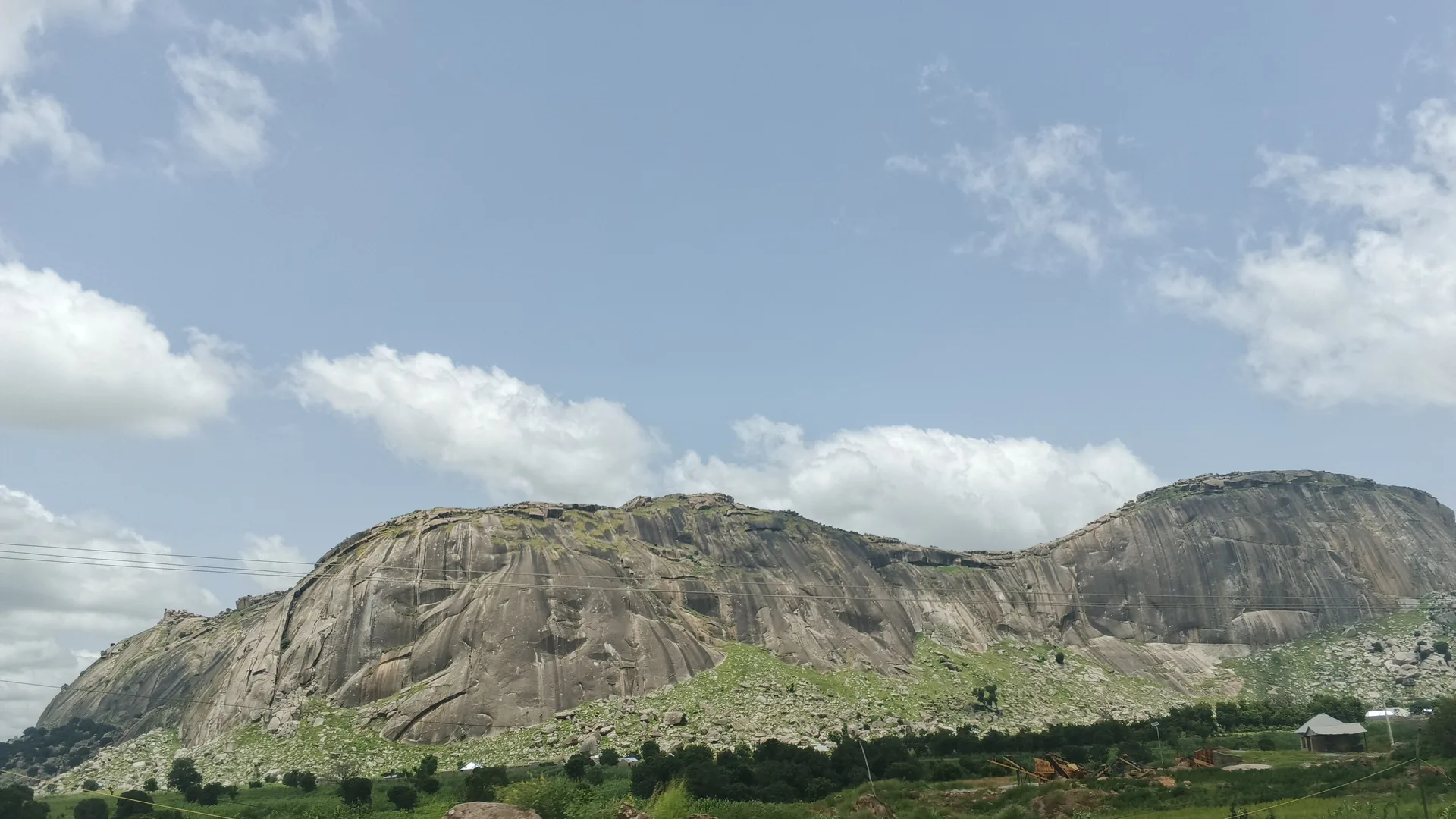
Kwatarkwashi hills
Prominent granite inselbergs near Gusau.
Jata
Ancient settlement of the Zamfara kingdom near a hill with a large cave once used for traditional rites.
Bakolori Dam
Large dam on the Sokoto River near Talata Mafara supporting irrigation.
Gusau Central Market
The main market of the state capital.
Gallery
Local Government Areas
14 local government areas
- Anka
- Bakura
- Birnin Magaji/Kiyaw
- Bukkuyum
- Bungudu
- Gummi
- Gusau
- Kaura Namoda
- Maradun
- Maru
- Shinkafi
- Talata Mafara
- Tsafe
- Zurmi